


O que chega antes ao chão: a pena ou a bola de boliche? What comes first to the ground: the feather or the bowling ball?
dez 20 Number of View :14925Esta é a experiência de Galileu, realizada em um ambiente sob um vácuo quase perfeito.
This is the Galileo experiment, done in an ambient under an almost perfect vacuum.

Desempenho de um ejetor a vapor – Causas de falhas – Solução de problemas – Ejector Performance – Causes of Performance Breakdown – Troubleshooting
dez 09 Number of View :14441Este é o melhor vídeo sobre como funciona e quais são os problemas mais comuns de um ejetor a vapor. Ele foi produzido pela Graham Corporation – http://www.graham-mfg.com . Fizemos uma versão em português para que todos possam entender melhor.
This is the best video about a steam jet ejector and causes of performance breakdown.
Versão em português
Original English version
Nova identidade visual – New visual identity
set 02 Number of View :12185
Ejetores a vapor- Steam jet ejectors
set 02 Number of View :18397Até agora o melhor vídeo explicando o funcionamento de um ejetor a vapor.
Up to now, the best video explaining how a steam jet ejector works.
Aquecedor – Heater
nov 13 Number of View :12953Depois de muito tempo parado, volto a postar.
Recebi hoje pelo correio um presente do meu amigo Márcio Veiga da APEMA (www.apema.com.br). Um modelo em escala de um aquecedor de contato direto por vapor. Este é um dos tipos de projetos que faço aqui na TORR (www.torr-engenharia.com.br).
Obrigado Márcio, ficou muito legal, para usar uma expressão que os engenheiros de hoje desconhecem.
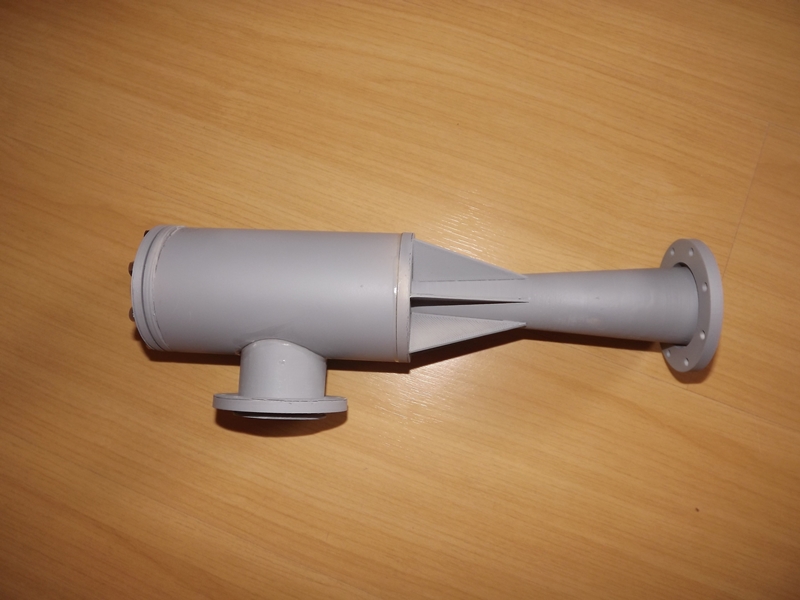
Aquecedor de contato direto – Steam jet heater
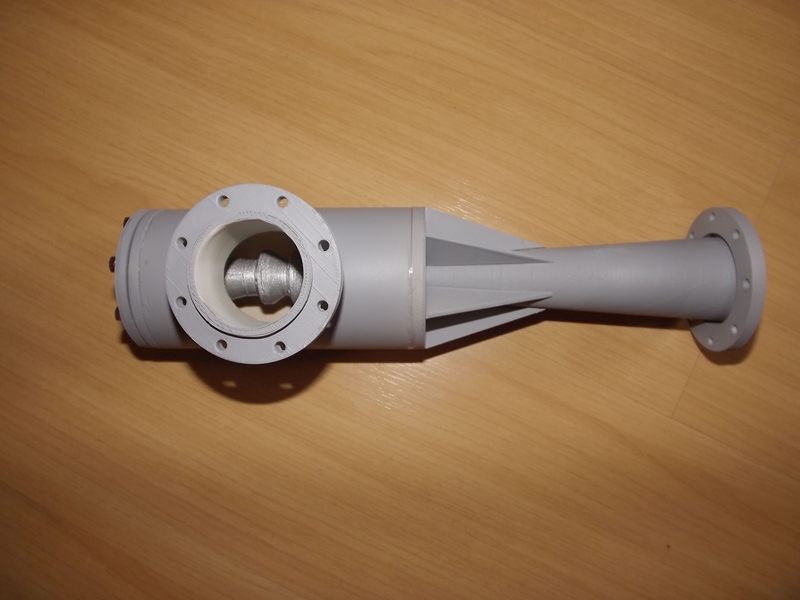
Vista do bocal de entrada de vapor – Heating steam connection view
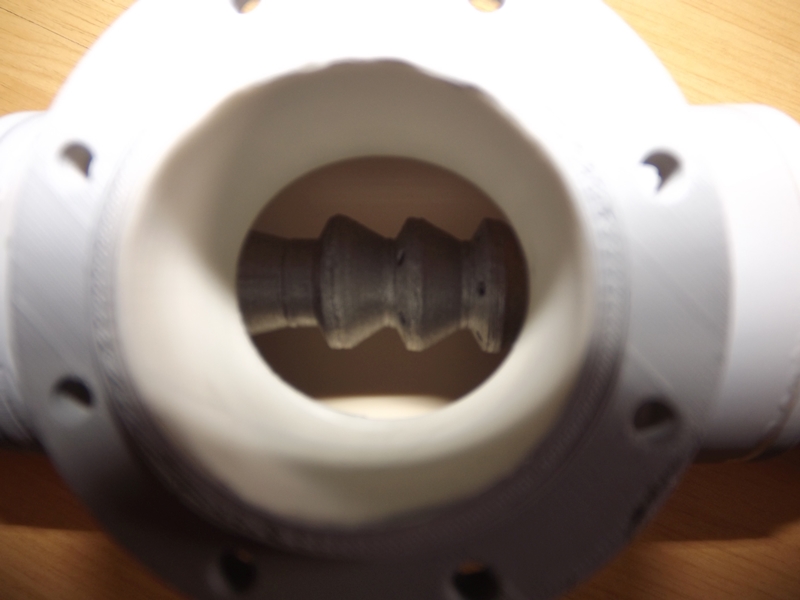
Vista do bico de aquecimento – Heating nozzle view
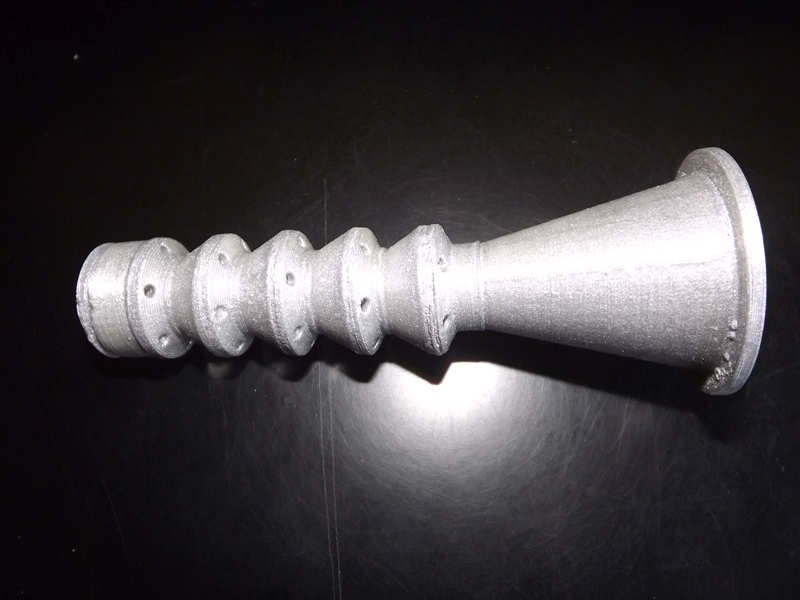
Bico de aquecimento – Heating nozzle
After a long time of inactivity, I am back and will start posting again.
I received today by mail a gift from my friend Márcio Veiga from APEMA (www.apema.com.br). It is a model in scale from a direct steam jet heater. This is one of the projects I develop here at TORR (www.torr-engenharia.com.br).
Thanks Márcio, this is great.
O que é Ice Condensing? – What is Ice Condensing?
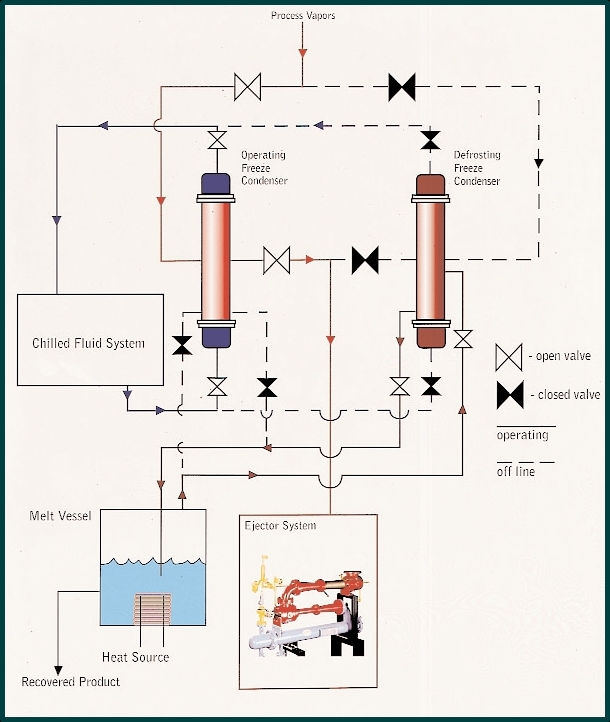
jun 05 Number of View :14299Você já deve ter ouvido falar em Ice Condensing ou algum outro termo parecido. Na realidade o uso do termo “condensação” não é adequado, pois o fenômeno que ocorre não é condensação e sim uma desublimação. O termo é muito pouco utilizado e desta maneira desconhecido.
Sublimação é a passagem do estado sólido diretamente para o estado gasoso. Desublimação é justamente o contrário: é a passagem do estado gasoso diretamente para o estado sólido, sem passar pelo estado líquido.
Várias companhias desenvolveram este tipo de equipamento para se reduzir a carga a ser aspirada pelo sistema de vácuo, solucionar um problema de cheiro no meio ambiente, reduzir a contaminação de utilidades e reduzir o consumo de vapor e água em processos onde existe uma carga muito grande de vapor a ser aspirado sob vácuo, como é o caso dos desodorizadores de óleo comestível ou desacidificadores de óleo para produção de biodiesel.
Veja no artigo da Graham Manufacturing Co, o que é é como funciona este sistema. A Graham comercializa este sistema com o nome de ECO-Freeze. Este é o melhor artigo sobre este assunto. Aproveite.
CLIQUE AQUI PARA VER O ARTIGO EM PDF
CLICK HERE TO SEE THE ARTICLE IN PDF
You have probably heard of Ice Condensing or some other similar term. In fact the use of the term “condensation” is not appropriate because the phenomenon that occurs is not condensation but a desublimation. The term is seldom used and thus unknown.
Sublimation is the transition from the solid state directly to the gaseous state. Desublimation is just the opposite: it is the passage of gaseous state directly to solid state without passing through the liquid state.
Several companies have developed this kind of equipment in order to reduce the load to be aspirated by the vacuum system, to solve a problem of odor in the environment, to reduce the contamination of utilities and to reduce the consumption of steam and water in cases where there is a very large load vapor being hold under vacuum, as in the case of edible oil deodorizer or oil deacidification to biodiesel production.
You will see in this article from the Graham Manufacturing Co, what is and how this system works. Graham system is marketed under the name “ECO-Freeze”. This is the best article on this subject. Enjoy
My Answer to the Article on Power Magazine – Minha Resposta ao Artigo na Power Magazine
mar 28 Number of View :44991If you read the article “Condenser Backpressure High? Check Vacuum System Sizing” ( http://www.powermag.com/issues/features/4338.html ) in the February 2012 edition of the Power Magazine and found that something is missing, please read my answer to the editor. Up to now no answer was received.
Please note that the intention of this letter is to clarify and not to confront, once vacuum is always considered a mistery revelled to few people, what is absolutely not true.
Se você leu o artigo “Condenser Backpressure High? Check Vacuum System Sizing” ( http://www.powermag.com/issues/features/4338.html ) na edição de Fevereiro de 2012 da Power Magazine e achou que estava faltando alguma coisa, por favor leia a minha resposta ao editor. Até o momento não recebi nenhuma resposta.
Por favor entenda que esta carta é apenas para esclarecer e não confrontar, já que quando se fala de vácuo, muitos consideram ser um segredo revelado para poucos, o que não é absolutamente verdade.
********************************************************************
Comments on the article:
“Condenser Backpressure High? Check Vacuum System Sizing”
The HEI Standard for Steam Surface Condensers has been misinterpreted by many engineers along the years, since the first edition.
The turbine operating point of guaranty is based on the thermal balance of the entire process, taking into account the utilities available, customer needs, etc,etc….
The heart of a turbine operating with vacuum at the discharge is without any doubt the equipment that generates this vacuum and in 100% of the cases this vacuum system is the cheapest equipment among the main ones and to which is given less attention at the time of purchase.
The HEI Standard, as correctly stated in the article, is a recommendation and a recommendation only. If you are a vacuum system supplier and you have your own way of sizing the vacuum system , and your customer accepts it, then there is no way one can say your vacuum system is wrongly designed, unless the turbine does not operate at the design point as it should operate.
Click the bottom below to read more – Clique no botão “read more” para continuar
How a circulator works – Como funciona um agitador
dez 28 Number of View :14244Hello, I am starting a new phase of the blog. I will generate and post some videos with tips about ejectors. This is not easy and takes a lot of time, so please enjoy and stay tuned for new ones.
If you cannot see the legend in english , please click the CC button.
Olá, estou começando uma nova etapa deste blog. Irei produzir e postar pequenos vídeos com dicas sobre ejetores. Não será um trabalho fácil, além de consumir muito tempo. Aproveitem e fiquem ligados nas dicas futuras.
Se você quiser desabilitar a legenda em inglês, clique no botão CC.
embedded by Embedded Video
YouTube